Ganta City, Nimba County – January 22, 2026: Liberia’s Minister of Public Works, Roland Layfette Giddings, has declared the country’s first post-war National Infrastructure Conference a critical step toward “rebranding and rebuilding Liberia through reconstruction.” The five-day summit, which began on January 19, 2026, in Ganta City, aims to holistically reform Liberia’s fractured infrastructure systems, from roads and energy to urban planning and sanitation.
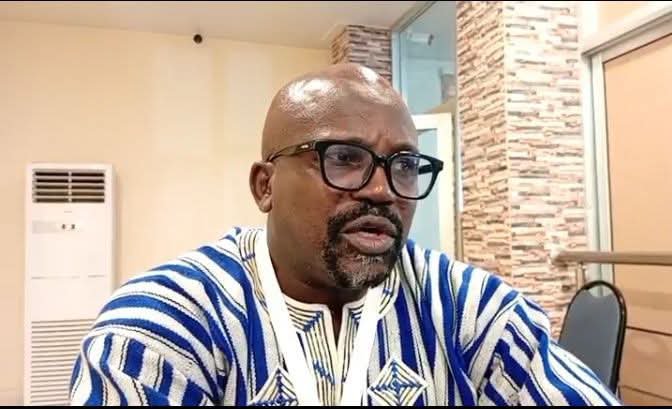
Speaking to journalists on January 21, Minister Giddings underscored the dire state of Liberia’s infrastructure, which has not been comprehensively assessed since the civil war. “The deficit in roads and energy is why we’re not developing as expected,” he said, contrasting pre-war efficiency with today’s exposed weaknesses. Unregulated urban sprawl—with buildings encroaching on waterways, alleys, and even airport runways—has compounded the challenge, demanding urgent government intervention.
The conference has drawn a diverse coalition, including ministries such as Finance, Transport, and Public Works, agencies like the Liberia Electricity Corporation and National Port Authority, and international partners. Key goals include eliminating policy overlaps and harmonizing mandates. One major proposal is creating a dedicated Ministry of Water and Sanitation under the WASH Compact to unify rural and urban water management, currently split between underfunded entities.
With Liberia facing an estimated $8 billion infrastructure gap over five years—against a $2 billion national budget—Giddings stressed the need for innovative financing. “We can’t allocate everything to infrastructure,” he admitted, calling for domestic and external resource mobilization. He also criticized past reforms, such as forestry and axle-load policies, for eroding revenue. Notably, he advocated transferring axle-load enforcement to Public Works, arguing, “You can’t control loads if you didn’t build or maintain the road.”
Thematic discussions span energy, transport, rural access, climate resilience, and digital connectivity, with outcomes to be compiled into a policy document for Cabinet review. Giddings framed the conference as the start of a longer process: “Infrastructure is the cornerstone of economic growth. If we get this right, we change Liberia’s future.”
The conference concludes on January 23, but its legacy will shape Liberia’s development trajectory for years to come.
 MONROVIA LATEST NEWS