The head of the United Methodist Church in Liberia, Bishop Samuel Quire, has reaffirmed the Church’s commitment to its moral values and Christian beliefs, stating unequivocally that “marriage is a union between a man and a woman.” This assertion counters misleading claims suggesting that the United Methodist Church supports same-sex marriage.
During a press conference in Monrovia on October 14, Bishop Quire made it clear that the United Methodist Church in Liberia will not endorse same-sex marriages or ordain LGBTQ individuals, despite rumors propagated by critics. He highlighted that LGBTQ practices are inconsistent with both local laws and the Church’s fundamental beliefs.
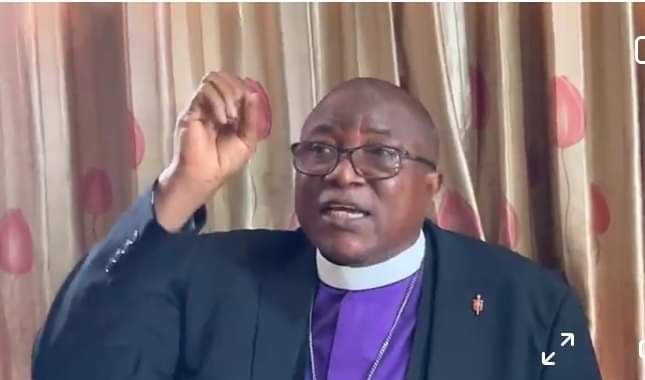
Bishop Quire’s comments come in the wake of rising tensions within the United Methodist Church, particularly following a controversial decision made by the Church’s Global Conference in the U.S., which permits regional policy variations regarding same-sex marriage. He clarified that while the General Conference has lifted the ban on same-sex marriage, this change does not extend to Liberia, where cultural and legal norms oppose such practices.
“The United Methodist Church is not a GAY Church,” he stated, reaffirming the Church’s dedication to traditional Christian teachings. While he noted that the Church welcomes all individuals, it does not support same-sex marriage or the ordination of LGBTQ persons.
The situation has escalated, with protests occurring at two United Methodist Churches in Monrovia during services on October 13, as congregants expressed their discontent over recent leadership decisions and the Church’s position on homosexuality. Tensions particularly flared at the New Georgia United Methodist Church following the suspension of Rev. Leo T. Mayson, a prominent opponent of the Church’s regionalization initiative, leading his supporters to demand Bishop Quire’s resignation.
Bishop Quire explained that discussions about regionalization aim to tailor the Church’s governance to local contexts while remaining true to its core beliefs. He emphasized the need for patience and dialogue, stating that there is a timeframe of 18 months to address the regionalization issue.
To address the misunderstandings surrounding this topic and to reinforce its dedication to biblical teachings, the Church will hold discussions during the upcoming Annual Conference. Bishop Quire reiterated the Church’s mission, saying, “Our focus is on making disciples of Jesus Christ for the transformation of the world, not on divisive debates.”
The repercussions of the General Conference’s decisions are felt globally, particularly in Africa, where conservative views on sexuality are predominant. Bishop Quire assured that the Liberia Annual Conference would uphold its interpretation of scripture and continue its outreach and ministry without compromising its principles.
As the Church navigates these challenging topics, Bishop Quire calls for unity and constructive dialogue among its members, encouraging everyone to support the Church’s mission and to refrain from actions that might jeopardize its ministry. In a related note, Inspector General of the Liberia National Police, Gregory Coleman, confirmed that the Church has never conducted a same-sex marriage in Liberia, dispelling misinformation on social media and highlighting the Church’s commitment to traditional values.
The next six months will be crucial for discussions surrounding regionalization, with plans for consultations and campaigns aimed at enhancing understanding within the Liberia Episcopal Area. In summary, Bishop Quire’s resolute position against LGBTQ issues reflects a broader commitment to traditional values, even amid the global shifts faced by the denomination.the stance of the Church of upholding the values of morality and Christian believe that ‘marriage is a union between a man and woman’, contrary to misinformation about the United Methodist Church endorsing ‘same sex marriage’.
The presiding Bishop of the Liberia Annual Conference told a news conference in Monrovia Monday, October 14, that the United Methodist Church in Liberia, will not endorse same-sex marriages or ordain LGBTQ individuals contrary to rumors by detractors.
Bishop Quire emphasized that LGBTQ practices contradict both local laws and the church’s core beliefs. Bishop Quire clarification comes amidst increasing tensions within the United Methodist Church, in the aftermath of a controversial decision taken by the Global conference of the United Methodist Church, at its recent General Conference in the United States, which allows for regional variations in policy.
At a conference held at the LNP headquarters on Monday, Bishop Quire clarified that while the General Conference lifted the ban on same-sex marriage, this decision does not apply to Liberia, where cultural and legal standards firmly oppose such practices.
“The United Methodist Church is not a GAY Church,” he affirmed, underscoring the commitment to traditional Christian teachings. “We minister to all individuals, but we do not subscribe to same-sex marriage or ordination of LGBTQ persons.”
The controversy has intensified as protests concurrently erupted at two United Methodist Churches in Monrovia during worship hours on Sunday, October 13, 2024.
Congregants at the New Georgia United Methodist Church and the 72nd United Methodist Church expressed their dissent over recent leadership decisions and the church’s stance on homosexuality.
At the New Georgia UMC, tensions escalated following the suspension of Rev. Leo T. Mayson, a vocal critic of the church’s regionalization initiative.
Supporters of Rev. Mayson rallied to demand Bishop Quire’s resignation, declaring, “We will not bow to regionalization or homosexuality in our churches.”
Bishop Quire noted that the ongoing discussions surrounding regionalization are intended to adapt the church’s governance to local contexts while maintaining its foundational beliefs.
“We have 18 months to rectify our position on regionalization,” he explained, calling for patience and dialogue within the church’s community.
As part of these discussions, the church plans to address the growing misunderstandings and reinforce its commitment to biblical teachings during the upcoming Annual Conference.
Bishop Quire, has again, emphasized the importance of clarity in the church’s mission, stating, “Our focus is on making disciples of Jesus Christ for the transformation of the world, not on divisive debates.”
The broader implications of the General Conference’s decisions are being felt worldwide, particularly in Africa, where conservative values regarding sexuality prevail.
Bishop Quire affirmed that the Liberia Annual Conference will remain steadfast in its interpretation of the scripture, reinforcing its commitment to outreach and ministry without compromising its principles.
As the church navigates these complex issues, Bishop Quire maintains a call for unity and constructive dialogue among members, urging all to uphold the church’s mission and avoid actions that could undermine its ministry.
In a related development, the Inspector General of the Liberia National Police, Gregory Coleman, clarified that the church has never officiated a same-sex marriage in Liberia, countering misinformation circulating on social media.
IG Coleman emphasized the unity of the United Methodist Church in Liberia and the church’s adherence to traditional values.
The next six months will be critical for discussions on regionalization, with plans for consultations and awareness campaigns aimed at fostering understanding within the Liberia Episcopal Area.
In conclusion, as the United Methodist Church in Liberia grapples with its future direction, Bishop Quire’s firm stance against LGBTQ issues reflects a broader commitment to traditional values, even amid global shifts within the denomination.
 MONROVIA LATEST NEWS